- Sunda
- Plan a Trip to Bandung
- Things to Do in Bandung
Things to Do in Bandung: Where to Go Based on Your Interests
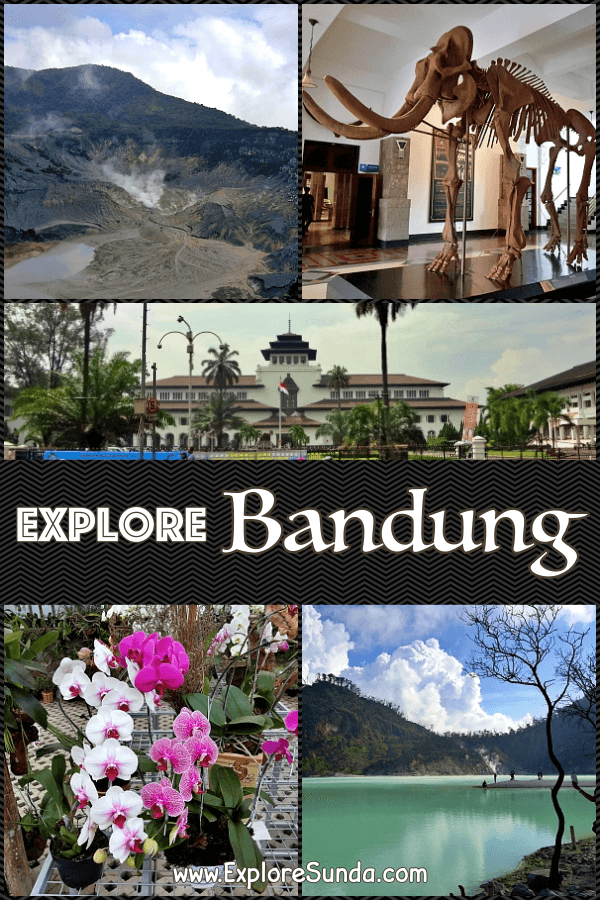
Standing on the rim of an active volcano, sipping coffee in a hillside café, or wandering a historic street lined with Art Deco buildings can all happen in the same trip. Yet many visitors leave Bandung feeling like they barely scratched the surface because the region offers so many different experiences spread across several distinct areas.
The most popular things to do in Bandung include visiting volcanoes such as Tangkuban Perahu and Kawah Putih, exploring tea plantations and highland scenery, discovering historic districts like Braga and Asia Afrika, enjoying Sundanese culture, shopping for fashion and local snacks, and visiting family-friendly attractions around Lembang and Ciwidey.
Rather than listing attractions randomly, this guide organizes Bandung by travel style and destination area. Whether you're interested in nature, culture, food, shopping, or family activities, you'll find recommendations that help you decide what fits your itinerary best.
Volcanic Landscapes and Highland Nature Experiences
Bandung is often referred to as Bandung Basin, because the city is surrounded by mountains. This is the most distinctive feature that made it different from other cities in Indonesia. Many of these mountains are active volcanoes, some are old mountains that have been dormant for several decades, while some erupted in recent years. Their craters are still bubbling with sulfur, some are safe for you to visit, while others are still seeping out toxic gas.
On the other hand, areas surrounding active volcanoes are well known to have fertile soils. Centuries ago, the Dutch started tea plantations in the Bandung Highland. Now, in addition to harvesting the tea, these areas have become a major tourist attraction for its scenic view.
Volcanic Experiences Around Bandung
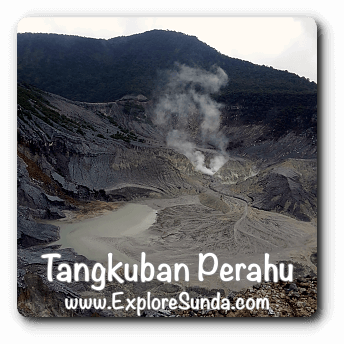
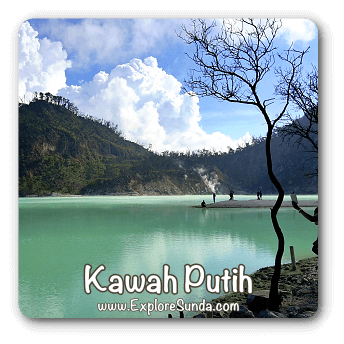
The two most famous volcanoes in Bandung are Mount Tangkuban Perahu in the north and Kawah Putih in the south. You can easily reach these two volcanoes by car.

Tea Plantations, Forests, and Scenic Highlands
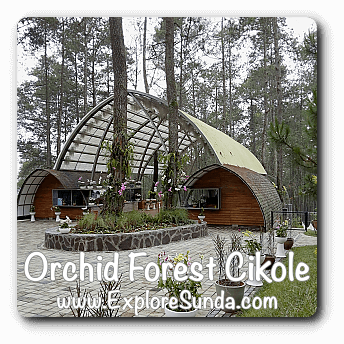
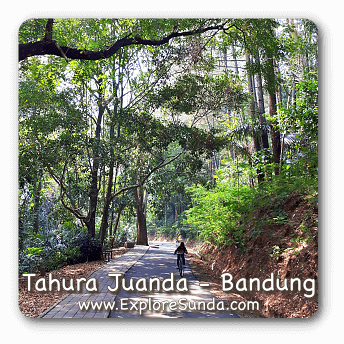
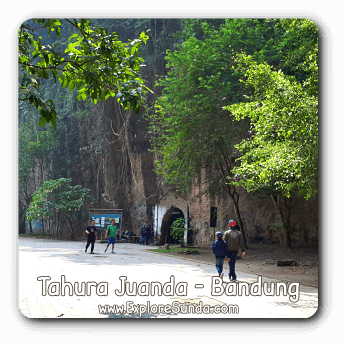
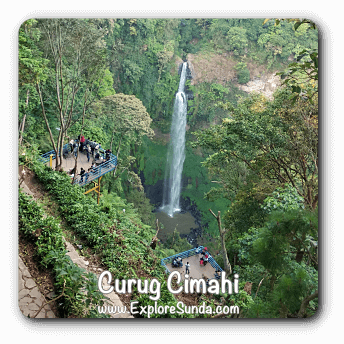
Besides volcanoes, you can also explore forests, waterfalls, lakes, and tea plantations in Bandung. Orchid Forest Cikole features a pine forest setting, orchid gardens, and a scenic wooden bridge among the trees. For hiking enthusiasts, Taman Hutan Raya Djuanda offers forest trails where you can see waterfalls and walk through a historic World War II bunker tunnel. At Curug Cimahi (Rainbow Waterfall), you can admire its impressive cascade and panoramic views.
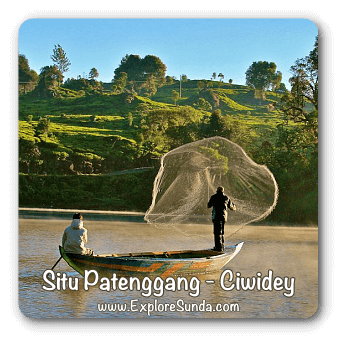
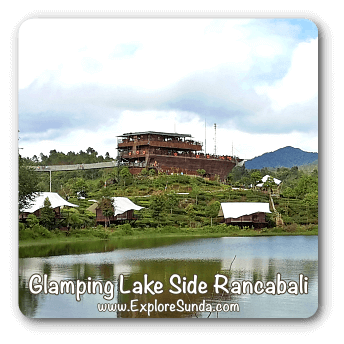
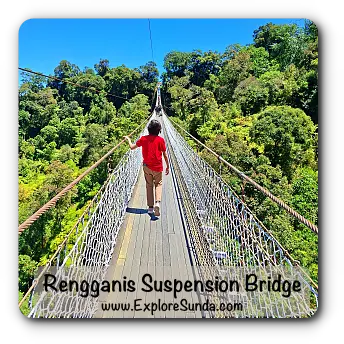
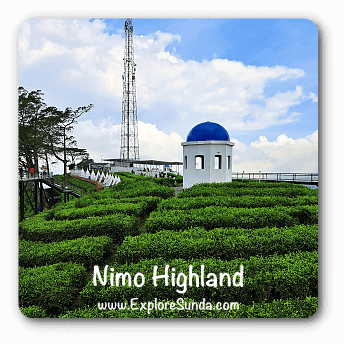
In southern Bandung, Situ Patenggang is a tranquil lake surrounded by lush tea plantations, while nearby Glamping Lakeside Rancabali offers a unique stay with scenic views. At Rengganis Suspension Bridge and Crater, visitors can walk across a suspension bridge and take a dip in a hot spring pool. Another popular destination is Nimo Highland in Pangalengan, where you can take in the surrounding tea plantations from a distinctive glass bridge lookout.
Which Highland Area Fits Your Travel Style Better?
Both destinations offer cool weather and scenic mountain views. Lembang is more developed, with a greater variety of attractions, accommodations, and dining options. Ciwidey, on the other hand, is quieter and better suited for visitors looking to relax and enjoy nature at a slower pace.
Historic Streets, Creative Cafés, and Scenic City Escapes
In recent years, Bandung has become a magnet for weekend getaways. Trendy cafés with creative concepts and innovative menus seem to appear across Bandung almost every day. The city has also preserved some of its historic charm, particularly along Braga and Asia Afrika streets.
Braga and Bandung’s Historic Walking Areas
In the early 20th century, Bandung was known as Parijs van Java and Kota Kembang (Flower City) because of its natural beauty, Art Deco architecture, and fashionable lifestyle. These qualities earned Bandung a reputation as one of the most elegant cities in the Dutch East Indies. Many of these historic buildings can still be seen along Braga and Asia Afrika streets. One way to explore this historic district is by taking Bandros (Bandung Tour on Bus), an open-air sightseeing bus that operates several routes around downtown Bandung.
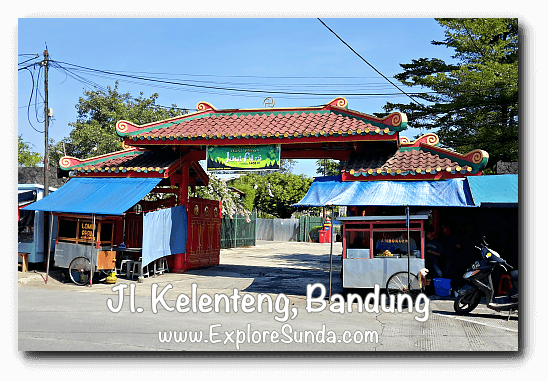
While Braga reflects Bandung's European heritage, Jalan Kelenteng showcases the city's Chinese heritage. Here, you will find Bandung's largest Tridharma temple, where Taoist, Confucian, and Buddhist beliefs are practiced side by side. The surrounding area is known for its street food vendors serving meals and snacks from morning until late at night.
![Bandros [Bandung Tour on Bus] at Jalan Braga, Bandung.](https://www.exploresunda.com/images/braga-bandros-10.png "Bandros [Bandung Tour on Bus] at Jalan Braga, Bandung.")
Dago and Scenic North Bandung Escapes
Dago, officially known as Jalan Ir. H. Djuanda, is Bandung’s upscale district, where you will find massive houses with vast gardens. The sidewalks are wide and clean, lined with attractive lamp posts and mature trees. Nowadays, many of these houses have transformed into hotels, shops, and restaurants. It’s a great area to stay in Bandung.
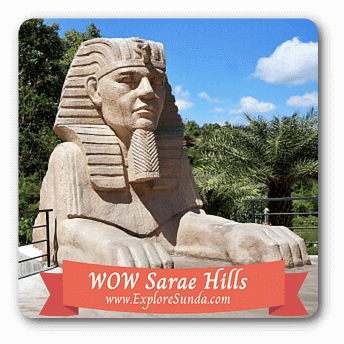
Driving further up, you will reach Forest Walk Babakan Siliwangi and Tahura Djuanda (Djuanda Forest). Nearby roads will take you to Punclut Bandung and WOW Sarae Hills, where themed restaurants and scenic viewpoints overlook the city.
 Ir.H.Djuanda street, Dago Bandung
Slow Bandung Experiences for Relaxed Travelers
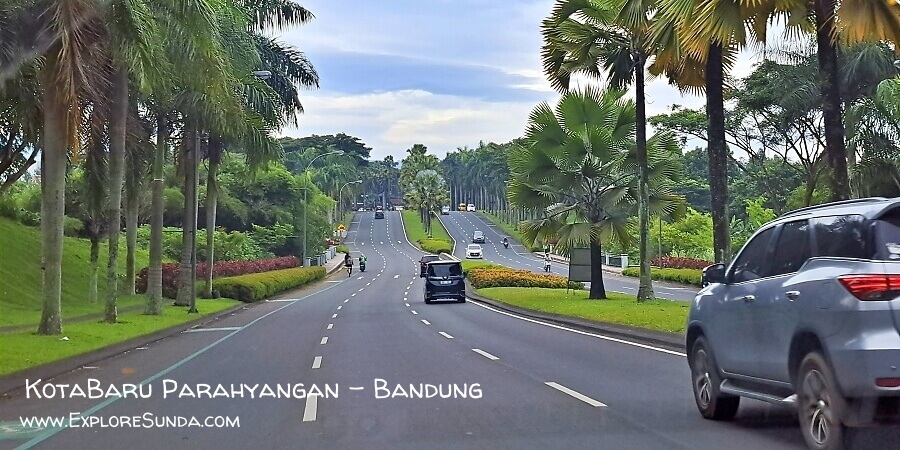
Bandung offers more than just history and nostalgia. The city has been expanding, one of its satellite cities is Kota Baru Parahyangan. Despite being only about 10 kilometers from downtown Bandung, Kota Baru Parahyangan feels noticeably calmer, with wide streets, green spaces, and a more relaxed atmosphere.
Science, Museums, and Cultural Experiences
Science and Educational Experiences
 Bosscha Observatory
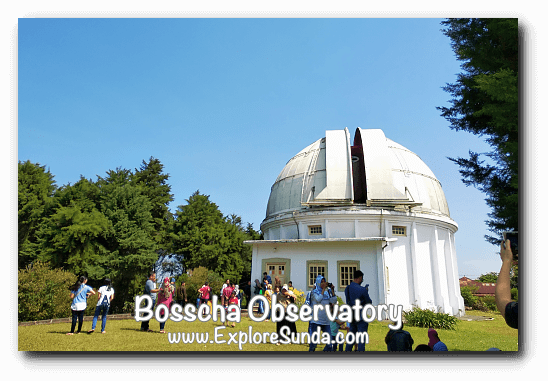
Opened in 1928, Bosscha Observatory remains one of Indonesia's most important astronomical research facilities. It is still operational today and opens to the public on selected days. A visit to Bosscha Observatory offers a unique opportunity to learn about astronomy at Indonesia's oldest observatory while enjoying the cool climate of Lembang.
Museums Worth Visiting in Bandung
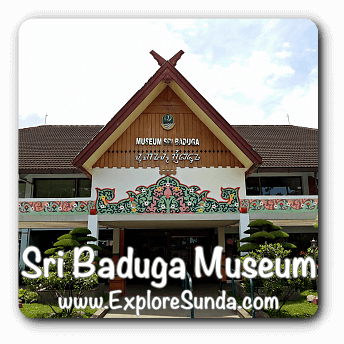
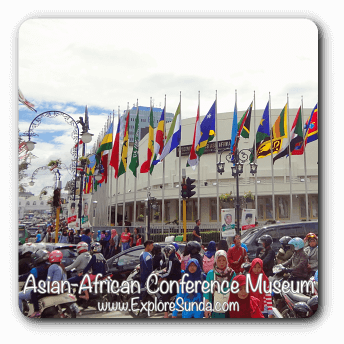
Is visiting a museum always on your itinerary wherever you travel? If so, you might want to start with the list of museums in Bandung. Some of the most notable museums include the Geology Museum, Sri Baduga Museum, the Museum of the Asian-African Conference, and the Postal Museum.
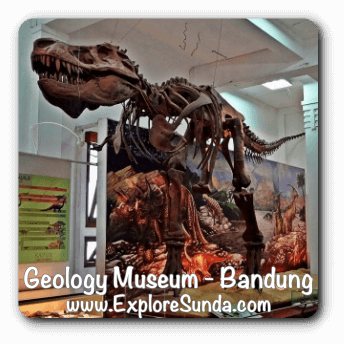
If you have limited time, make the Geology Museum your top priority. Housed in a historic building, the museum is worth visiting not only for its collections of rocks, minerals, and fossils, but also for its architecture.

Colonial History and Bandung’s Historic Identity
Bandung's origins are closely connected to the Legend of Sangkuriang, a famous Sundanese folktale that explains the formation of the surrounding landscape. However, the earliest written record of Bandung dates to 1641, when a Dutch official mentioned the area in a report. Since then, Bandung has developed into a modern city while remaining an important center of Sundanese culture.
To learn more about Bandung's origins and development, continue reading:
Shopping, Markets, and Bandung’s Urban Consumer Culture
Bandung has long been known for its fashionable lifestyle. Today, that reputation is reflected in its many factory outlets, shopping malls, and modern markets. Shopping is one of the main reasons many visitors travel to Bandung.
Factory Outlets and Fashion Shopping
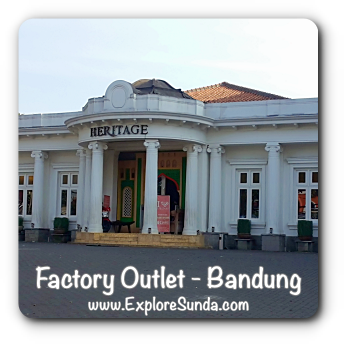
Factory outlets in Bandung are best known for discounted fashion and clothing. Some factory outlets offer branded products at discounted prices. Find the best factory outlets in Bandung here...
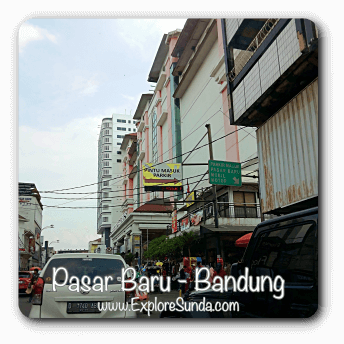
Besides factory outlets, Pasar Baru is one of Bandung's best-known shopping destinations for clothing, fabrics, and textiles. It remains one of the city's most popular shopping destinations, attracting visitors from across Indonesia and neighboring countries. You will find fine fabrics for weddings and parties, batik for every occasion, sleepwear, Islamic prayer supplies, and many more in this eight-story building. Find out more about Pasar Baru Bandung...
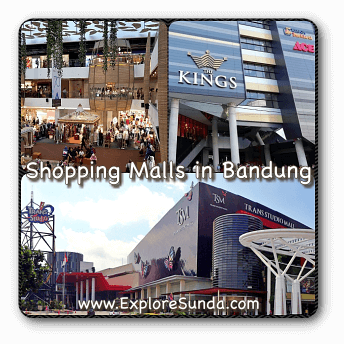
Shopping Malls in Bandung
Bandung's shopping malls have evolved beyond retail spaces. Many now combine shopping, dining, entertainment, family attractions, and lifestyle experiences under one roof. Find where these trendy and modern malls in Bandung…
Souvenirs, Local Snacks, and Specialty Shopping
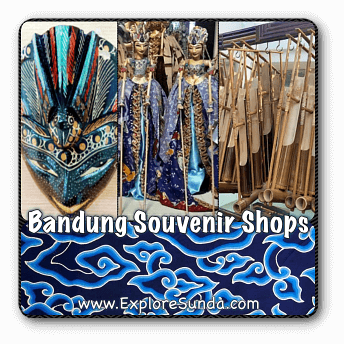
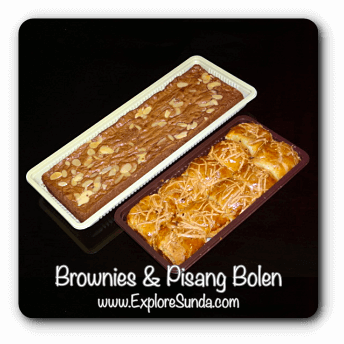
No trip to Bandung feels complete without bringing home some local souvenirs and snacks. Bandung is also famous for its edible souvenirs, ranging from traditional favorites such as batagor and pisang bolen to modern treats like brownies.
Shopping in Bandung is not limited to fashion and food. Book lovers may want to time their visit with the annual Big Bad Wolf Book Sale, one of the region's largest book fairs featuring millions of books at discounted prices.

Family Attractions, Leisure Parks, and Scenic Photo Spots
Animal Parks and Garden Attractions
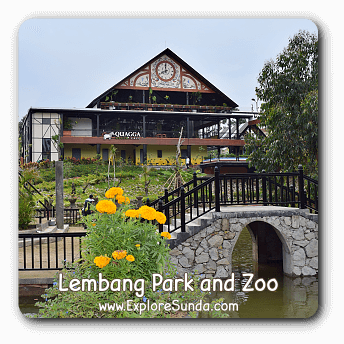
Lembang Park and Zoo is one of the most popular wildlife attractions in Bandung. The zoo takes good care of its animal enclosures. The colorful murals on the buildings combined with well-maintained gardens make the park visually appealing even beyond its animal exhibits.
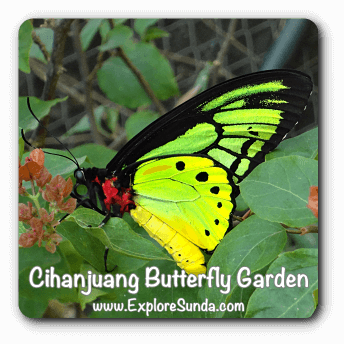
On the other hand, if you love flower gardens and insects, the Butterfly Garden in Cihanjuang is worth a visit. Although relatively small, the garden showcases the butterfly life cycle, from eggs and caterpillars to fully grown butterflies. Speaking of gardens, you can visit a working rose garden called Grace Rose Farm, where you can stroll in the garden and buy flowers too.

Resort and Leisure-Oriented Escapes
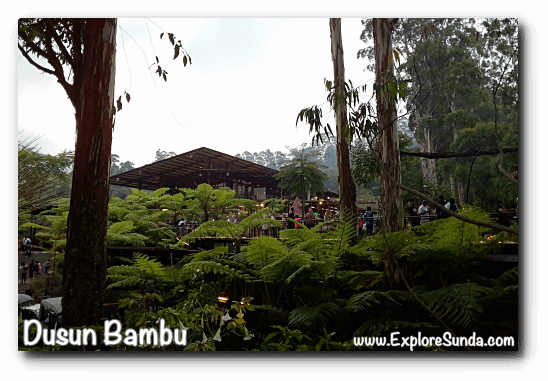
Dusun Bambu Lembang is one of Bandung's most popular leisure destinations. You can spend the day enjoying recreational activities, dining on traditional and comfort foods, even staying overnight in its glamping.
On a smaller scale, Maribaya Natural Hot Spring Resort also offers recreational activities and glamping accommodations, but its natural hot spring pools are what set it apart from similar destinations.

Scenic Parks and Family-Friendly Attractions
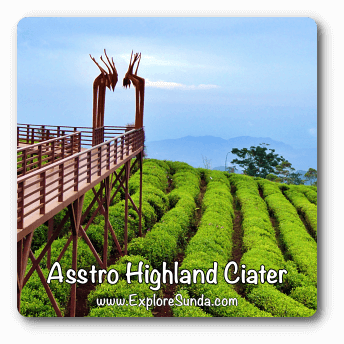
In recent years, many attractions around Bandung have been designed with scenic viewpoints and photo opportunities in mind. Most of these attractions take advantage of Bandung's cool climate and highland scenery, while adding unique themes and creative installations to enhance the visitor experience.
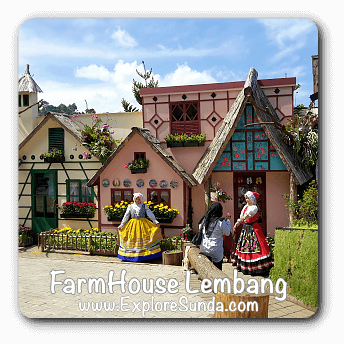
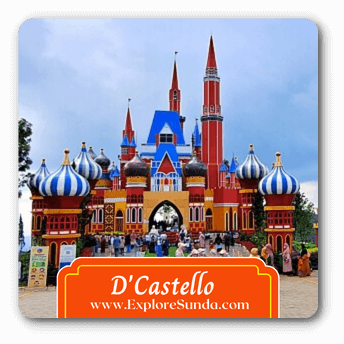
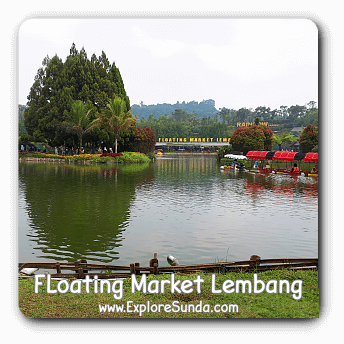
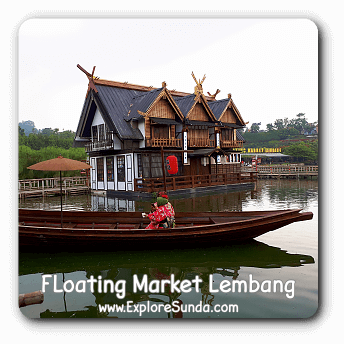
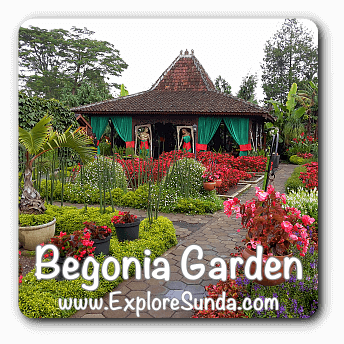
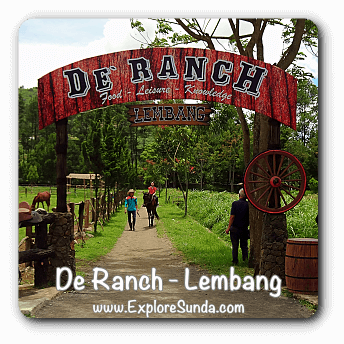
Bandung is not a destination that can be fully explored in a single weekend. Some travelers come for volcanic landscapes and tea plantations, while others spend their time exploring historic streets, shopping districts, or family attractions. Rather than trying to see everything, choose the experiences that match your interests and focus on one area at a time. Whether you stay in Lembang, downtown Bandung, or Ciwidey, the city's mix of cool weather, mountain scenery, culture, and food ensures there is always a reason to return.
You might like these too ...
The Fastest Drive from Jakarta to Bandung via Cikampek and Purbaleunyi
The drive from Jakarta to Bandung via Cikampek and Purbaleunyi toll roads is easy, fast, and can be fun too! Find out what to expect in your journey here.
Restaurants in Bandung: Where to Eat & What to Try
Planning where to eat? This guide to restaurants in Bandung shares local favorites, Sundanese food, historic spots, steaks, snacks, and more.
Trip to Bandung Indonesia: Plan It Your Way
Planning a trip to Bandung Indonesia? Find practical advice on transport, getting around, where to stay, things to do, and local food to help you plan your trip.
Flights to Bandung | 3 International Airports Near Bandung
Are you planning to go to Bandung by plane? Find out the flights to Bandung, where are the airports, and how to go to and fro the airports here ...
Trip to Bandung Indonesia by Train | 8 Reasons Why You Should Try It
Are you considering to catch a train for your trip to Bandung Indonesia? Here are eight reasons why a train trip to Bandung is the best!
Road Trip to Bandung Indonesia in Comfort | The Bus or Shuttle Bus?
Are you planning a road trip to Bandung Indonesia? Continue reading here to know your best options: take a bus, a shuttle bus, or rent a car.
Road Trip to Bandung Indonesia | The Best Five
Are you planning a road trip to Bandung Indonesia? Continue reading here to know the top five road trips to Bandung and what's to see and do along the way :)


Recent Articles


-
Sundanese Food: Dishes to Try at a Sundanese Restaurant
Oct 03, 26 05:05 AM
 Discover Sundanese food, from nasi timbel and nasi liwet to karedok, gepuk, sambal, and traditional drinks, and explore some of its most popular dishes.
 -
The Site Map of ExploreSunda.com
Sep 29, 26 01:03 AM
 A thorough site map to help you browse through the Explore Sunda site.
 -
Kawasan Wisata Punclut Bandung: Cafes & Views in Sarae Hills
Sep 28, 26 09:07 AM
 Discover Punclut Bandung at Sarae Hills—cool breezes, sunset views, and cliffside cafes with photo spots, playgrounds, and diverse dining options.